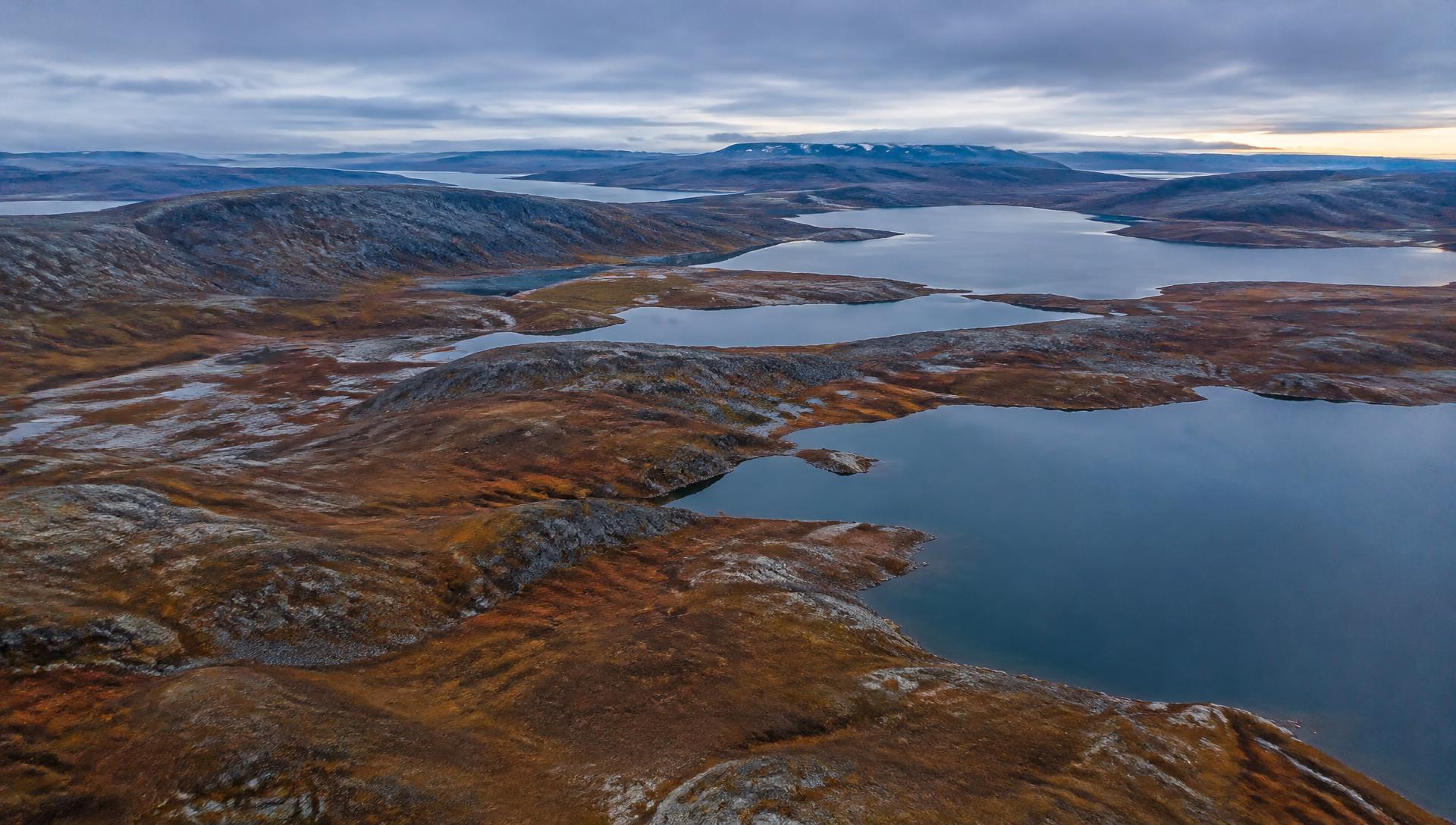
Water management & reclamation
Water Stewardship at the Centre of Closure Planning
Priority review area
Long Lake Containment Facility
The LLCF received a fine processed-kimberlite stream from diamond processing through a slurry pipeline. Burgundy described a system of five containment cells, three filter dikes, an outlet dam and connected access and pipeline works. A revegetation research program has been underway there since 2014.
It is a priority area for reviewing historical flows, water chemistry and residual solids management.
Network
Other water-management areas
King Pond Settling Facility and Two Rock Sedimentation Pond are part of the mine's historical water-management network. Burgundy identified three important monitored catchments:
Catchment
Koala
Catchment
King–Cujo
Catchment
Horseshoe
Regulation
Regulatory setting
Ekati operates within the Wek’èezhìı Land and Water Board and the applicable territorial and federal regulatory framework. The Type A water licence was renewed effective December 18, 2023 for a ten-year period, subject to its current status and future amendments. Independent monitoring and GNWT processes should inform any technology trial.
Closure
Closure status
Information requests
What MMT will ask to review
- Water balance and flows by location
- Seasonal chemistry
- Historical effluent and aquatic monitoring
- Process residues
- Groundwater / seepage data
- Construction drawings
- Capital and operating costs for existing treatment
- Current closure design and outstanding regulatory requirements
Discuss an environmental evaluation with MMT.